
Salesforce has taken another bold step in its AI strategy by acquiring Spindle AI, a platform focused on scenario-intelligence and agentic analytics. With this move, Salesforce isn’t simply chasing the latest AI trend — it’s building the infrastructure to make its agent-based platform truly intelligent and anticipatory.
🔍 What Spindle AI Brings to the Table
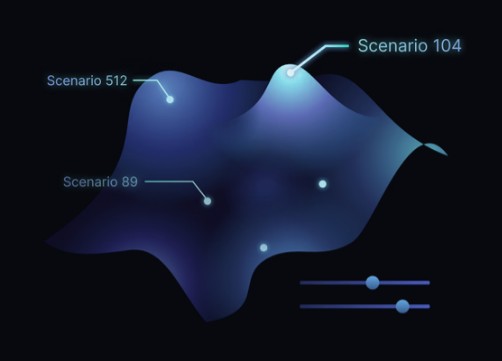
Spindle AI specializes in “what-could-happen” analytics: generating scenario models, comparing thousands of decision paths, and recommending actions based on large, complex data sets.
For organizations, this means shifting from what happened to what should we do next — and even beyond, to what will happen if we act now.
Key strengths of Spindle AI include:
- Scenario modelling that spans beyond manual spreadsheets or simple dashboards.
- Agentic forecasting and driver-analysis capabilities that previously required PhD-level data science.
- Experience working with enterprise customers and complex data environments.
✅ Why This Acquisition Matters for Salesforce
Salesforce’s agent platform (Agentforce) has been growing rapidly. But to move from pilot to enterprise-scale, it needs three things: clean, connected data; automation logic; and smart decision-making. Spindle fills the decision-making gap.
With Spindle integrated, Salesforce can:
- Add forecasting and scenario engines into agent workflows.
- Enable agents to not just execute tasks, but recommend and adapt.
- Leverage expertise from a team with deep analytics and modelling pedigree.
This acquisition sits alongside previous purchases (Informatica, Apromore, Regrello) that targeted data integration, process intelligence and now decision analytics — forming a backbone for a genuinely intelligent agent ecosystem.
🌐 Strategic Implications for Businesses
For companies using Salesforce, this means the agent-future is arriving faster:
- Expect to see dashboards replaced by adaptive agents that recommend next steps and feed insights directly into workflows.
- Organizations will need to prepare: ensuring data is unified, workflows automated and decision logic documented.
- The opportunity expands beyond service or sales — into operations, finance, supply-chain and any domain where “what happens next?” is critical.
📆 What You Should Do Now
- Audit your agent-readiness. Are your workflows documented? Can you automate them? Do you have unified data sets?
- Focus on decision logic. Start thinking not just about automation, but about how your system decides which action to take.
- Stay ahead on governance. As agents become autonomous, make sure data quality, explainability and audit-trails are included.
- Plan for integration. With AI, automation and analytics merging, your tech stack should reflect collaboration — from CRM to process automation to decision engines.
📌 Final Thoughts
Salesforce’s acquisition of Spindle AI signals a clear pivot: from automation to anticipation.
The next generation of enterprise AI isn’t about faster or cheaper — it’s about smarter, adaptive, agentic.
For businesses working within the Salesforce ecosystem, that means the timeline for transformation is shorter than you might think.
Leave a Reply